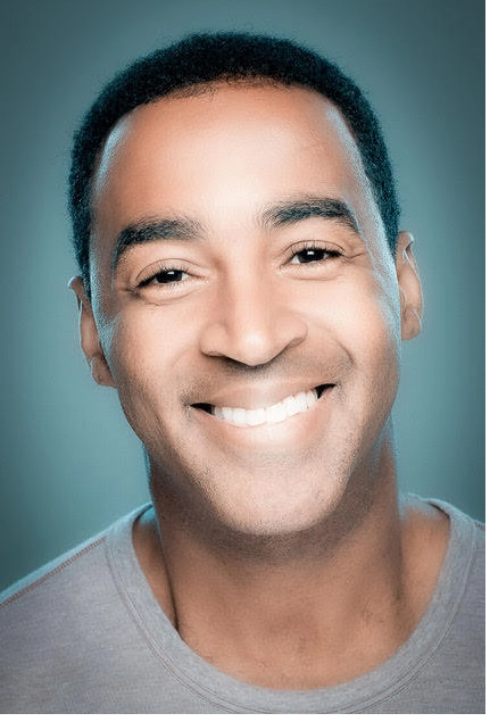
Guest Post #2: Jennifer Treadwell K.M. Treadwell, CSA
A compelling headshot not only conveys an actor’s unique look but also helps to establish their brand, ultimately increasing their chances of securing auditions and landing roles.
THE HUMBLE HEADSHOT
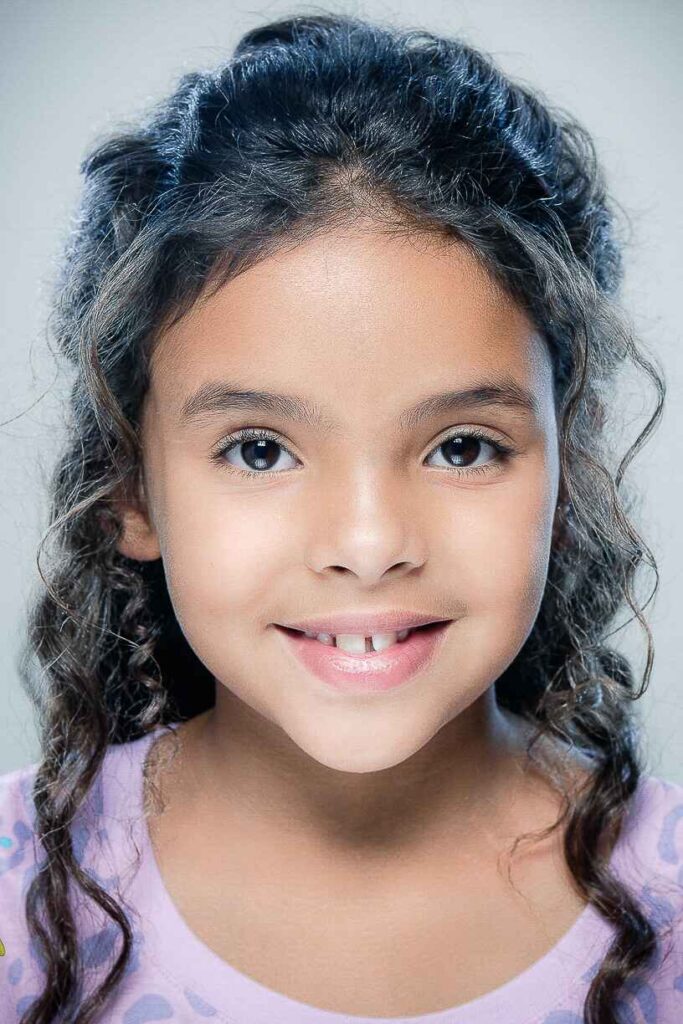
In the world of commercial photography, the headshot is a modest affair. The subject’s head is centered in the frame. The subject is lit. Typically, the subject is smiling. Most every headshot has these simple attributes. But if this were all there was to it, every headshot would succeed. Many don’t.
DOES YOUR HEADSHOT HAVE IMPACT?
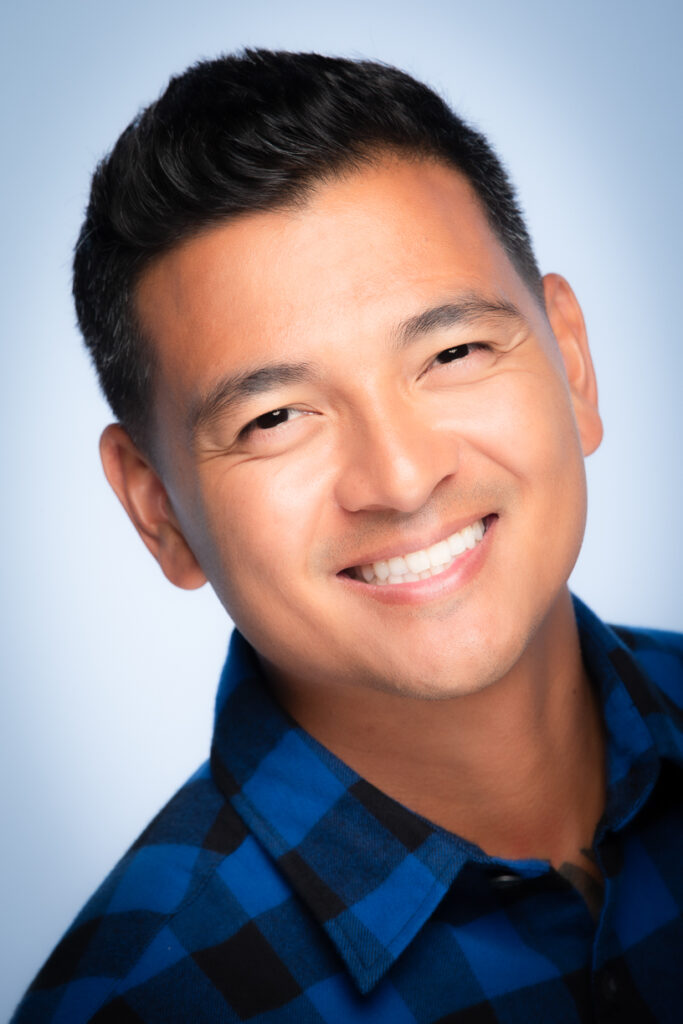
Lots of people shoot headshots, but meaningful skill and/or experience aren’t requirements. Some photographers who work in this field have both. Some have one or the other. Some have neither. Meaningful skill comes from experience.
DOES YOUR HEADSHOT CONVEY ENERGY?
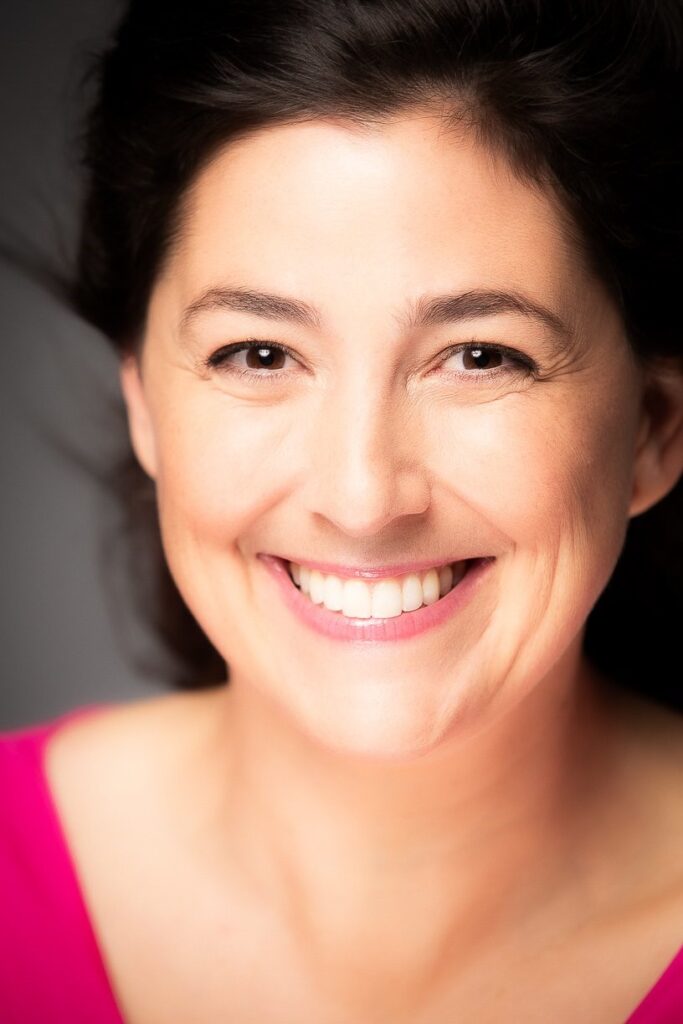
If you’re an actor getting early-career headshots, you may have limited experience being photographed professionally. You may be apprehensive. It’s common, even among seasoned professionals. Unless the photographer puts you at ease, organically and quickly, you may not be well-served.
The Humble Headshot (Expanded Version)
I’ve said that in the world of commercial photography, the headshot is a modest affair. I’ll venture further: headshot photography may not even be considered commercial work. Here’s why: anyone can become a headshot photographer. All that’s required is a camera and (perhaps) a website. There’s no market to penetrate: no art director, graphic designer or photo editor to be persuaded that a headshot photographer is up to the job. Headshot photographers are hired by individuals – usually, actors in need of decent images of themselves for submission to agents, managers and casting directors. Actors may get recommendations about photographers from other actors and/or judge for themselves as to whom to hire. But there’s not a formal marketplace. No barriers exist to allow or deny anyone permission to become a headshot photographer. Actors are left to hire someone from an undifferentiated pool of photographers ranging from expert to inept. To the untrained eye it can be difficult to distinguish who’s great from the not-so-great. Pursuing an acting career? You’re not alone SAG-AFTRA – the Screen Actors Guild – American Federation of Television and Radio Artists – has around 160,000 members: actors, voice artists, and other performers working professionally in film, television, and radio. This figure doesn’t include people involved in theatre at all levels or participants in acting schools and workshops. Platforms such as Backstage and Casting Networks have millions of registered users, many of whom identify as aspiring actors. A lot of people in this group hope to have acting careers. Most of them want or need headshots. How to choose a headshot photographer? Photographer fees are usually (but not always) a “tell” – an indicator. Anyone charging $99, or $200, for example, is likely to have limited experience and skill. At the same time, someone charging $1000 may have both — but not be fun to be around. Which matters: it’s going to be difficult for you to relax while someone with a challenging personality photographs you. You’ll be disappointed with the results. A headshot is a form of identification. But so is a passport photo and a driver’s license photo. Your headshot has to convey an element that institutional photos lack: your essence. Your energy and vitality need to be evident. It’s up to the photographer to enable these qualities to come forward during your session. In a sense your headshot session is a performance. A good photographer is also a good director. Choose carefully. If during your session a photographer asks you to smile – an amateurish direction, guaranteed to make anyone tense – you’ve chosen the wrong photographer. If a photographer talks about him/her/their self during your session – you’ve chosen the wrong photographer. A headshot or PR session is YOUR session. Think of it as a party held in your honor. The focus must only be on you — and you, only. Choose carefully. Casting directors Casting directors won’t linger over your headshot — or anyone else’s. They don’t have time for this. Your picture will get a moment’s notice. I know this from long experience. As a large-scale producer of high-end lifestyle photography for stock- photo agencies for 20 years, I was my own casting director. I held periodic in-person casting sessions. Typically 150 actors would be called in, but only after 500 headshots had been reviewed — this was the print era — and the ones that seemed amateurish had been eliminated. Almost always we called in actors who’d had themselves photographed properly. During my stock-production years I reviewed 50,000 headshots and hired roughly1200 actors as models. During the shoots, with a few exceptions, everyone performed impressively. Again: casting directors will look at your picture briefly. Often, VERY briefly. The value of the headshot Likely your headshot is going to be the first thing people in a position to call you in for an audition will see of you. It’s not going to get you hired. But it’s a critical first look at you – a passport to the audition. So: humble though a headshot may be in the world of professional photography, it very much matters. It needs to be staged and lit well. It needs to show your energy. It needs to make an impact. On a scale from one to ten, it should be an eleven.
What’s a publicity session?
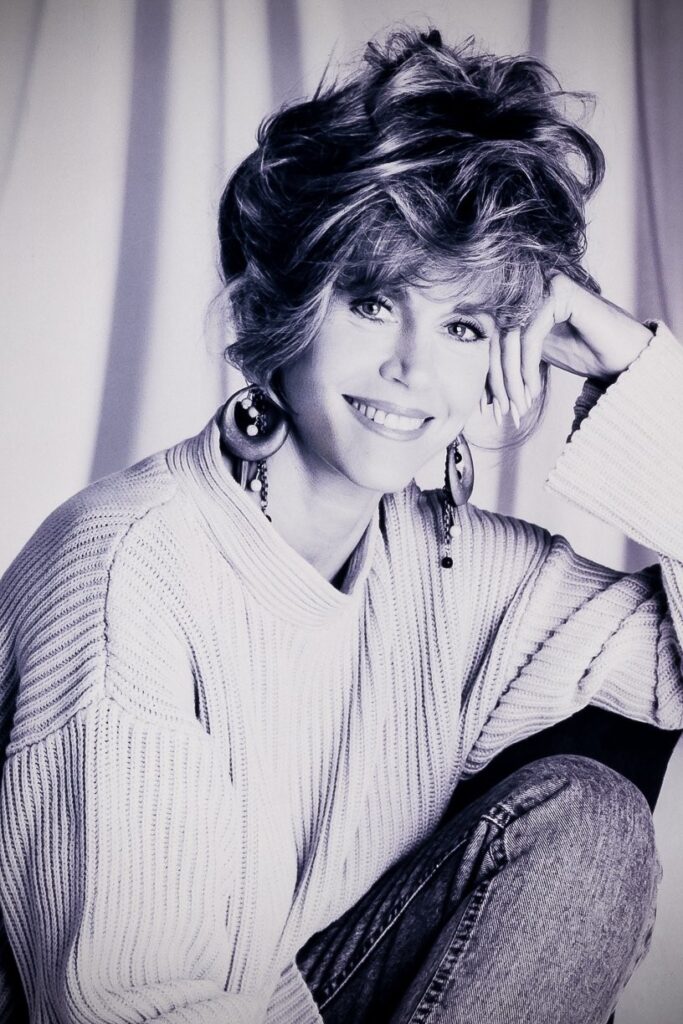
A publicity session (or PR session) is a photo shoot with an entertainment industry subject whose career is established or on the rise, or for a group of subjects who’ve participated in a project together (e.g. a film or a series), being photographed for the purpose of promoting that project. Typically the subjects are actors but often are performers in other disciplines – music, dance, comedy and so forth. Publicity sessions are commissioned by individuals (or their representatives) or by film studios, networks or streaming services. The shoots are designed to yield images for distribution media outlets, both digital and print. Sometimes these sessions take place on location – on a film or tv set, for example – but more often they take place in a photo studio or on a sound stage. The photo team consists of a photographer (obviously), one or more photo assistants, a hair and makeup artist, but may also include a wardrobe stylist and set designers, who provide backdrops and/or set elements rented or built for the occasion. The larger the shoot, the bigger the team – and the bigger the budget. The most elaborate shoot I’ve done of this sort – not a PR session, actually, but a cover shoot for Life Magazine – featured the stars of the film “Steel Magnolias”. I was allowed to rent a Hollywood sound stage for a week. Prior to the shoot, over the course of three days, a set designer and his crew built a housefront, 30 feet across, lit from the inside, with a wide porch and an exterior dressed in prop plants. The day after that, we lit the set. The cost for the production, catering included, was $90,000 – in 1989 dollars. All this for one setup. On the day of the shoot, Shirley MacLaine, Dolly Parton, Sally Field, Julia Roberts and Darryl Hannah showed up, each with their own wardrobe stylists, makeup artists and support teams. (Olympia Dukakis had a scheduling conflict and couldn’t participate.) Approximately 90 people were present for the shoot – such was the value of the combined star power. The Life shoot wasn’t a PR session per se – the film studio behind “Steel Magnolias” didn’t arrange or pay for it .But Life Magazine, in those days, meant big publicity, and a lot of publicists were present at the shoot. Most PR sessions are more modest affairs, often focusing on one personality and nowhere as costly to produce as the one for “Steel Magnolias”. Nonetheless smaller sessions may involve scaled-down production elements – hair/makeup and wardrobe stylists, props, set elements, backgrounds. Or not: sometimes a publicity session involves only the subject and a photographer, a photo assistant, a makeup artist, and perhaps the subject’s publicist or manager. (In the studio we have enough backdrops and set elements to forgo having to rent them for lower-budget bookings.) WHAT’S THE DIFFERENCE BETWEEN AN ECONOMY PUBLICITY SESSION AND A FULL-DAY PUBLICITY SESSION? An economy publicity session is essentially an extended headshot session. After several headshots setups have been shot, broader coverage happens – medium and full length setups with custom staging and lighting, during which play is the focus. (If you’re an improviser – and even if you aren’t – we may explore different actions and emotional states.) Economy sessions last longer than headshot sessions, but don’t require a full day. A full-day publicity session is a more comprehensive undertaking which involves planning and pre-production, for which additional expenses may be incurred. Likely you’ll want the full-day option if you and/or your representatives have in mind specific publications or outlets to which the take will be sent. Both economy and full-day sessions have the same objective – to create a set of compelling and appealing images that show the subject (or subjects) at his/her/their best. And both session types follow the same path to successful results. Fundamentally my PR and headshots sessions are about play. We’re in the studio to have fun. How often does it happen? Always. Post-production (editing) – the work following the shoot – is the same as for headshot sessions. It’s a thorough, careful process. In Adobe Lightroom, the entire take is reviewed; rejected frames are marked and discarded. There are always more rejects than “keepers”. “Reject” doesn’t necessarily mean “failure”. Many potential “heroes” – the very best images – survive the first edit. During a second edit, the “keepers” are processed – balanced and adjusted to optimal levels. In a third, selects are marked. This is the group that gets sent to you for review. Finally, we’ll have a phone call to review the set together and choose the best of the best, after which further adjustments to the select set may happen. All post-production activity is included in both the publicity and headshot session fees.
not yet a well-known performer?

Probably you don’t need a publicity session. You need headshots. If I’m the photographer, you’ll get headshots and a little more.
in my heyday…
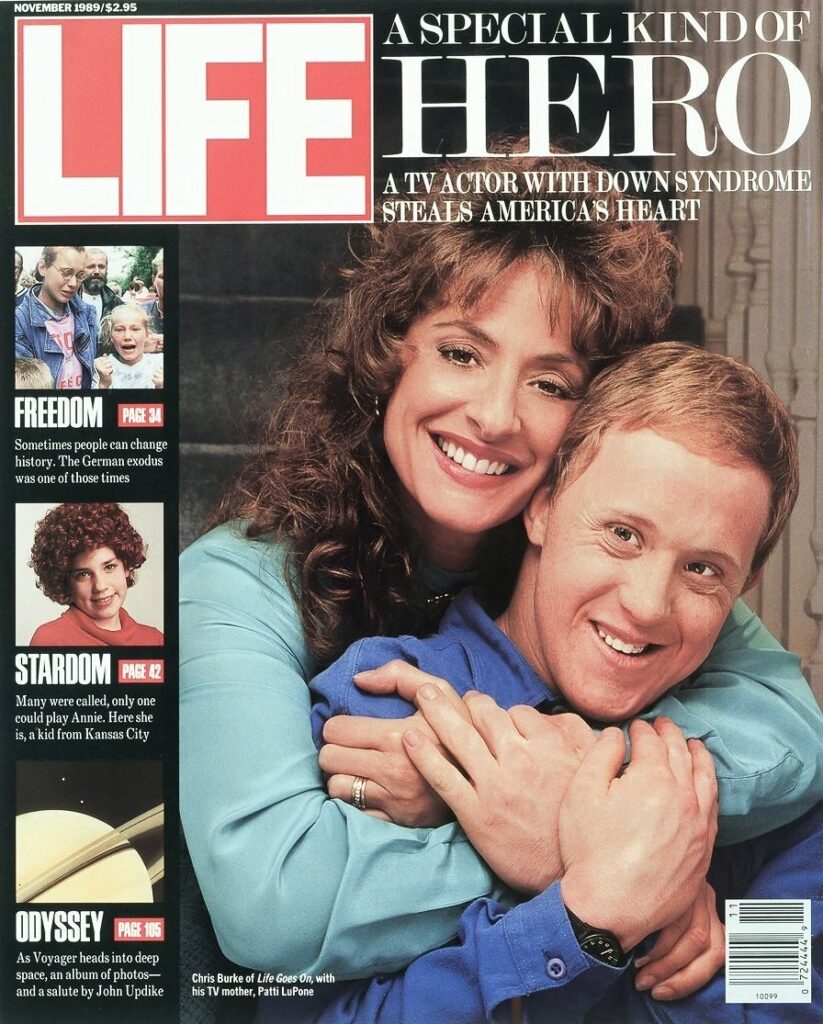
… I shot primarily for publication: national magazines like Life, Time, Newsweek, Fortune, People, Esquire, Entertainment Weekly, Smithsonian, Interview and at least 30 others. I’ve photographed just about everything, from celebrities to cathedrals. These days some magazines have folded, while others are shrunken versions of their former selves. Headshots and publicity sessions, once sidelines, are now my main gig.
I Shoot Headshots…
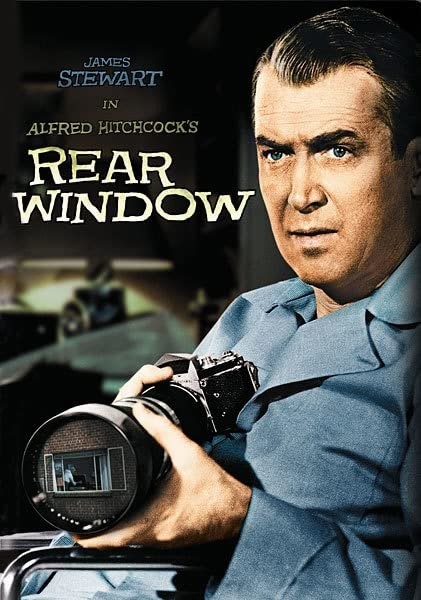
… but don’t identify as a headshot photographer. I never aspired to be a headshot photographer. Never went through a headshot photographer phase. But actor friends would ask for headshot sessions, and I’d shoot them. Then, early in my career — unexpectedly — I was hired by a PR firm to shoot headshots for James Stewart.
I went to james stewart’s home…
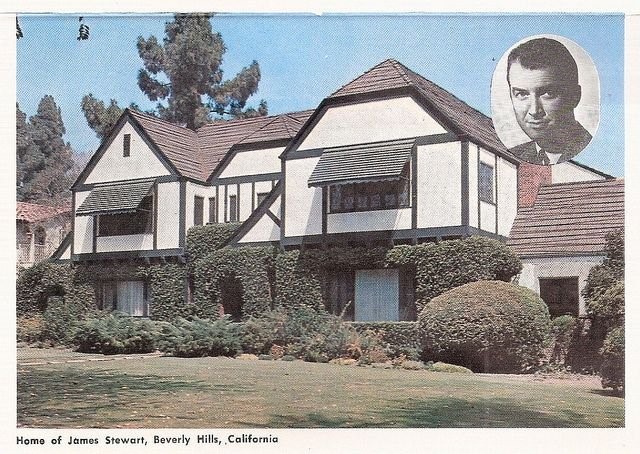
… in Beverly Hills, lugging my own equipment (no assistant). The iconic movie star clearly knew I was just starting out as a photographer but was as gracious with me as if I were an experienced pro, like Slim Aarons. (Slim WHO?)